 Credit: David Kabiru
More than 1,400 runners from around the world have taken part in the 25th edition of the Lewa Safari Marathon – in a landmark celebration of support for conservation and community.
Organised by Tusk, in partnership with the Lewa Wildlife Conservancy, and powered by Safaricom and Huawei, the silver jubilee of the world-renowned race honoured a quarter century of life-changing investment in wildlife conservation, community development, health and education projects.
Hosted on the Lewa Wildlife Conservancy, a UNESCO world heritage site in northern Kenya, participants shared the conservancy’s grasslands course with some of Africa’s most diverse wildlife, including elephant, giraffe and black Rhino.
Over 1,400 runners made up of 34 different nationalities took part in the 25th edition of the Lewa Safari Marathon. The men’s race was won by Samson Lemayan, who crossed the finish line in a time of 2:28:35, while the women’s race was claimed by Mercy Kwambai, with an impressive finish of 2:47:17. Half-marathon winners were Michael Kamau and Mary Waitthera with times of 1:06:37 and 1:18:27 respectively.
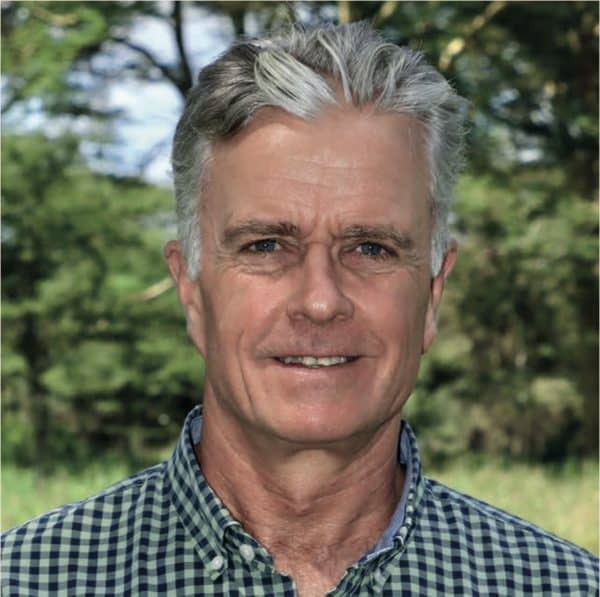
“This is far more than a marathon,” said Nick Bubb, Chief Executive of Tusk. “It is a celebration of everything that can be achieved when people and purpose come together. For 25 years, the Lewa Safari Marathon has united runners, conservationists, philanthropists, communities and corporate leaders in a shared mission to protect Kenya’s unique biodiversity and support those living alongside it. Every step taken in this race is a step towards lasting positive change.
Funds raised from the marathon over 25 years have now reached over $10 million in total, in support of more than 10 project partner organisations across Kenya. These funds have helped protect the critically-endangered mountain bongo, supported programmes that conserve Kenya’s Grevy’s zebra and black rhino – also both critically-endangered – as well as some of East Africa’s few remaining ‘super-tusker’ elephants.
Funding to date has also paid for six hospitals and clinics, annually serving approximately 40,000 people in Kenyan rural communities; provided bursaries and infrastructure for over 10,000 students and empowered 724 women artisans through beadwork and beekeeping initiatives.
View the Results HERE.