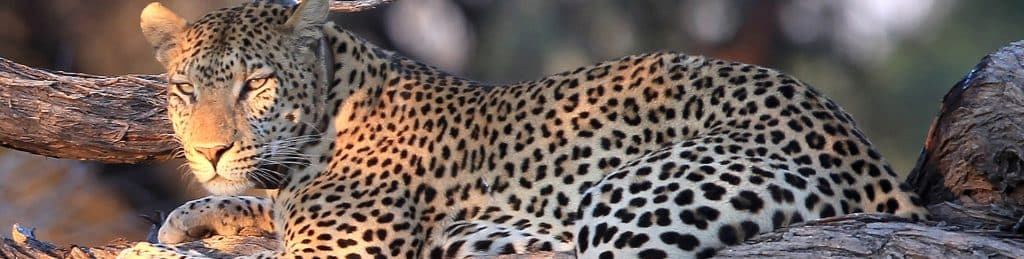
Description:
The leopard is a sleek and powerful big cat native to sub-Saharan Africa, with a smaller range extending into parts of Asia, and is recognisable by its golden-yellow coat adorned with distinctive black rosettes and spots. Leopards are known for their exceptional climbing skills and adaptability, allowing them to thrive in diverse environments from dense jungles to open grasslands.

 ©Lorenzo Rossi
Key facts
Population:
Leopards are widely distributed across Africa but their range has been reduced by an estimated 66% and now they live in isolated populations. They are declining in large portions of their range, particularly outside of protected areas.
Diet:


With a robust build and powerful jaws, leopards are skilled hunters, that prefer to hunt medium-sized antelopes such as gazelle and impala. However, their diet is very varied and they will feed on insects, reptiles, birds and small mammals and larger ungulates.
Habitat:
They are found in desert and semi-desert regions of southern Africa in Namibia and Botswana and in the savannah grasslands of East and Southern Africa. There are also remnant populations in arid regions of North Africa. Southern Africa now has the healthiest leopard population of their entire range.
Range:
Throughout Africa, although mostly in sub-Saharan Africa.
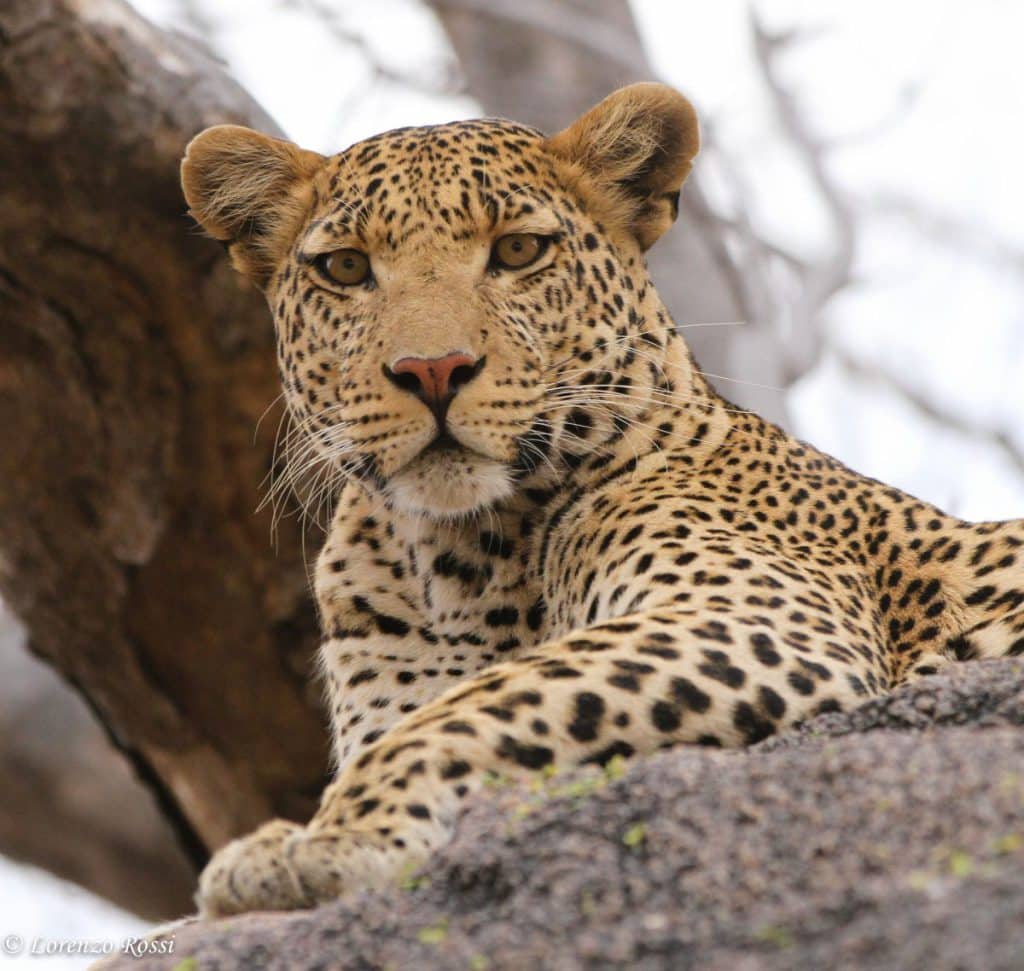
© Lorenzo Rossi
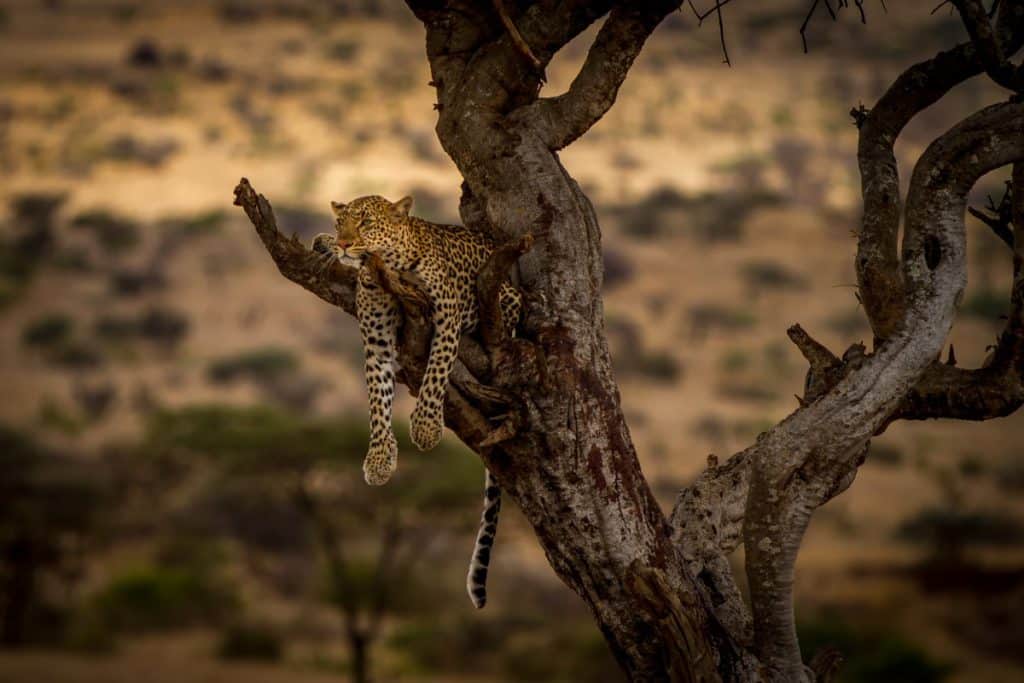
© Marcus Newton
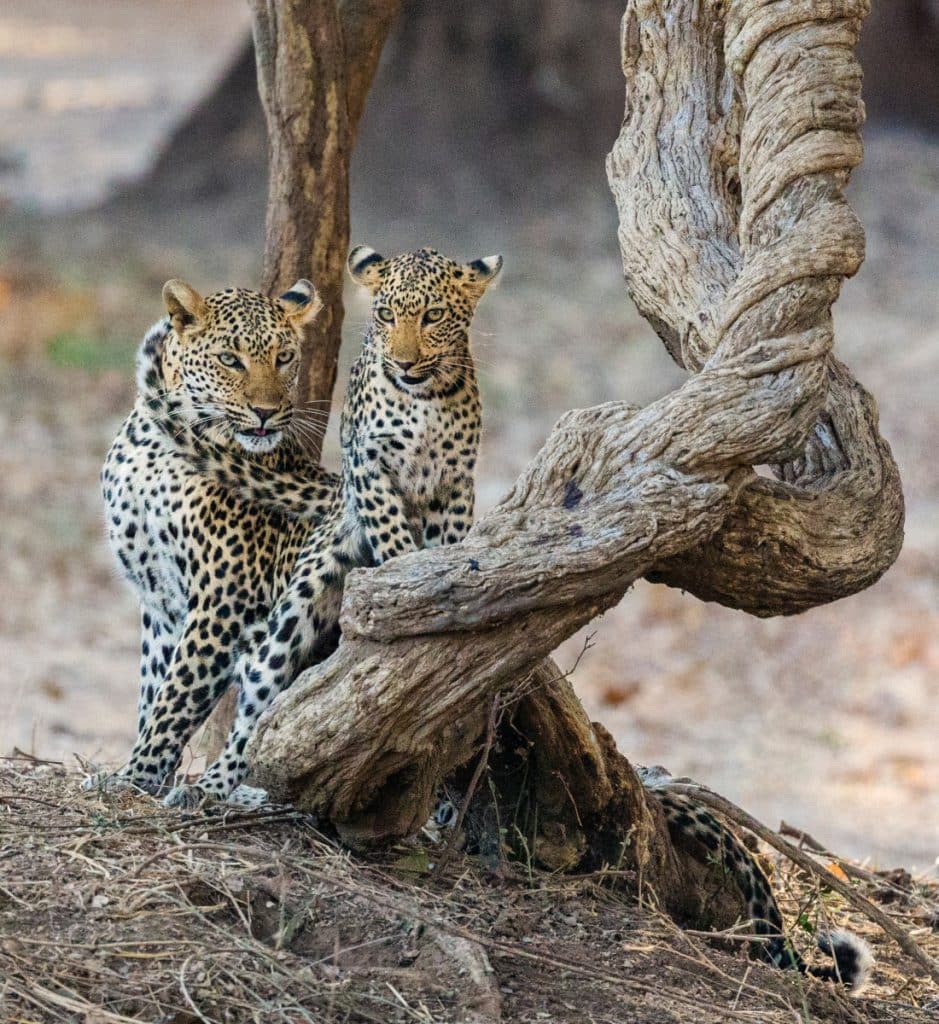
© Susannah Rouse
Threats



The principal threats are habitat fragmentation, reduced prey base and human-wildlife conflict. Where farms have been created in leopard habitat, they may feed on livestock and can be killed in retaliation. Leopards are also targets for trophy hunters.
Conservation
Tusk supports a number of initiatives to reduce conflict between farmers and carnivores, such as education programmes to teach effective farming techniques to better protect livestock from predation.
Learn more about the projects
The principal threats are habitat fragmentation, reduced prey base and human-wildlife conflict. Where farms have been created in leopard habitat, they may feed on livestock and can be killed in retaliation. Leopards are also targets for trophy hunters.
Conservation
Tusk supports a number of initiatives to reduce conflict between farmers and carnivores, such as education programmes to teach effective farming techniques to better protect livestock from predation.