Description:
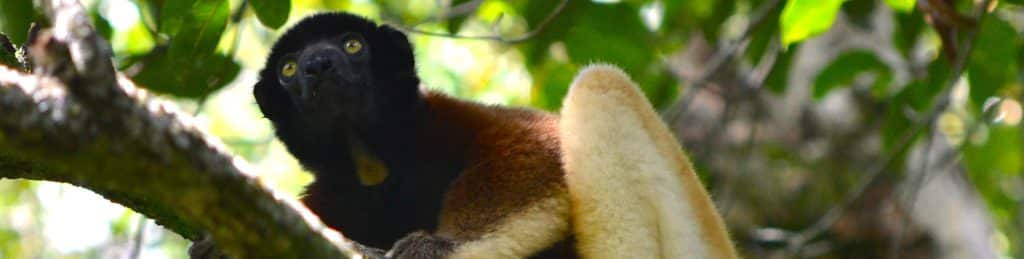
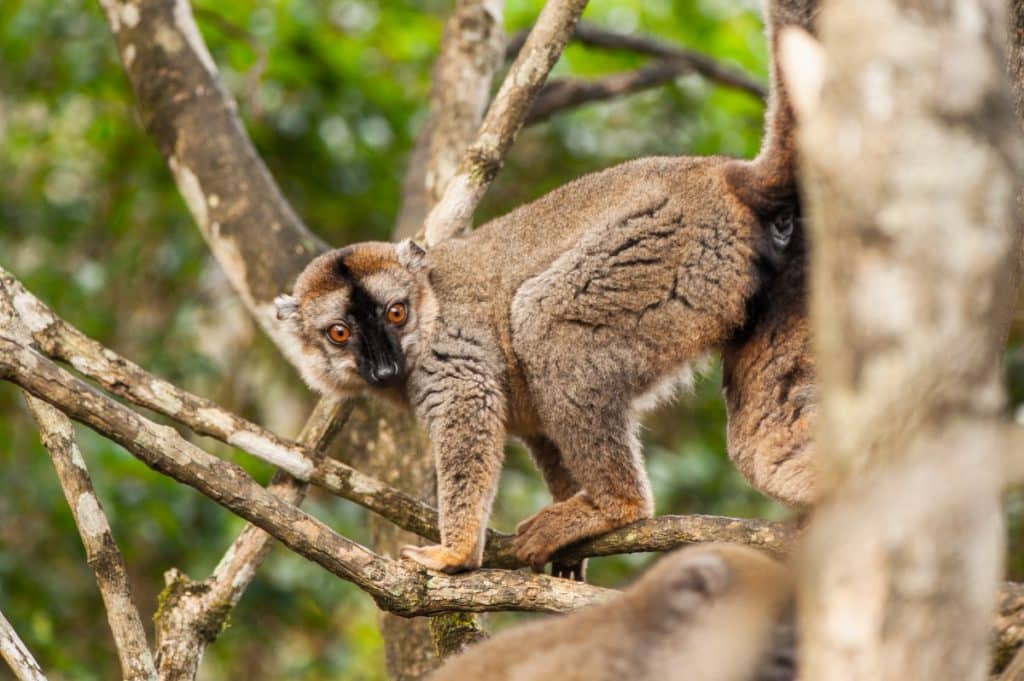
Lemurs are a group of primates endemic to the island of Madagascar. There are over 100 separate species ranging in size from the mouse lemur (weighing 30g) to the Indri (weighing 7-10kg). Lemurs are very social and live in groups called troops.
Tusk’s project partners help protect the following species:
- Black Lemur
- Greater Bamboo Lemur
- Mongoose Lemur
- Southern Woolly Lemur
- Red Ruffed Lemur
- Coquerel’s Sifaka
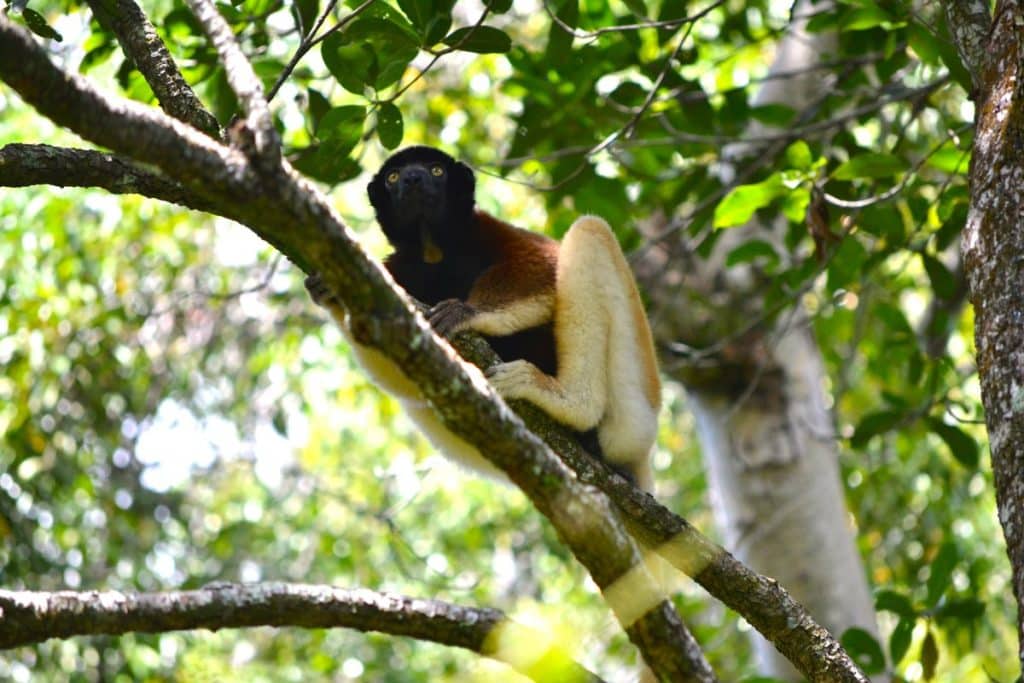
- Crowned Sifaka

 © Stephen Price
Key facts
Population:
Lemurs are the most threatened mammal group on earth. At least 90 species are considered to be threatened with extinction, including 22 that are critically endangered.
Diet:



Habitat:
Lemurs occupy many different habitats including dry deciduous forests, rain forests, wetlands and mountains.
Range:
Lemurs are only found in Madagascar, while the mongoose lemur was introduced to the nearby Comoros Islands.
© Getty Images/iStockphoto
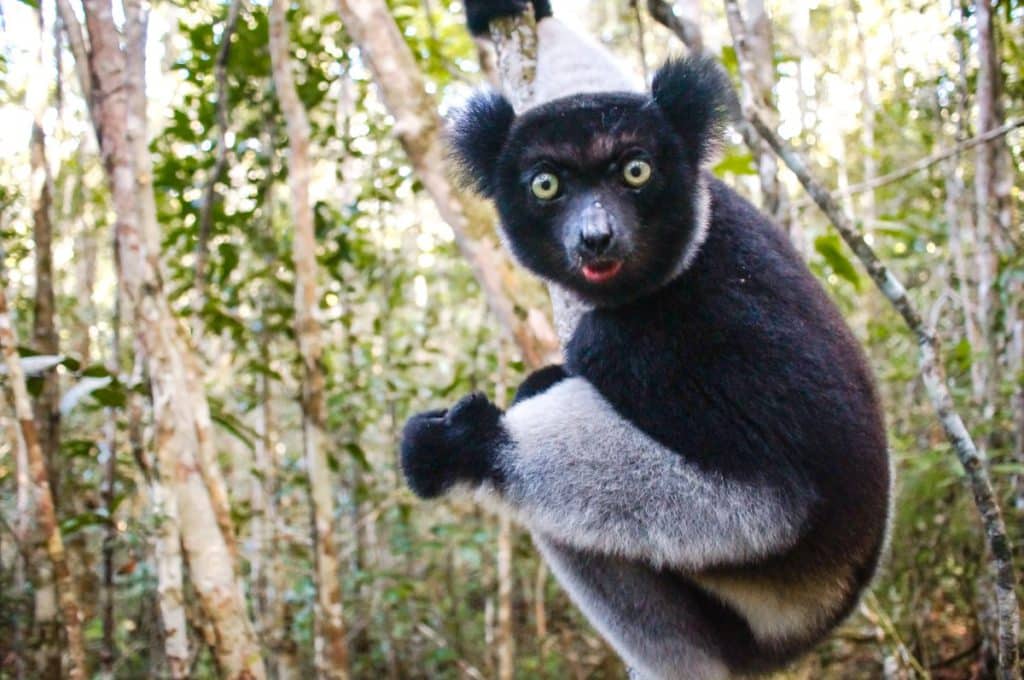
© Stephen Price
Threats

The main threat to lemurs is habitat loss caused by slash and burn agriculture and illegal logging. They are also hunted for food and the local pet trade.
Conservation
Tusk supports conservation projects in Madagascar to reduce deforestation and protect lemurs, including the black lemurs, habitat through environmental education, community-based initiatives and alternative livelihoods. Lemurs are also known to breed well in captivity and there is coordinated Species Survival Plan in place.
Learn more about the projects
The main threat to lemurs is habitat loss caused by slash and burn agriculture and illegal logging. They are also hunted for food and the local pet trade.
Conservation
Tusk supports conservation projects in Madagascar to reduce deforestation and protect lemurs, including the black lemurs, habitat through environmental education, community-based initiatives and alternative livelihoods. Lemurs are also known to breed well in captivity and there is coordinated Species Survival Plan in place.