Description:
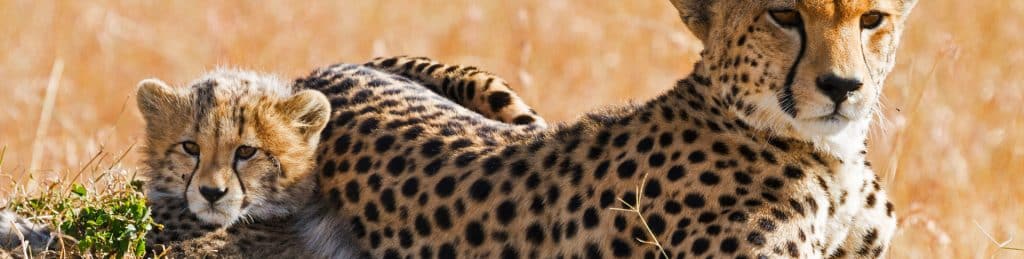
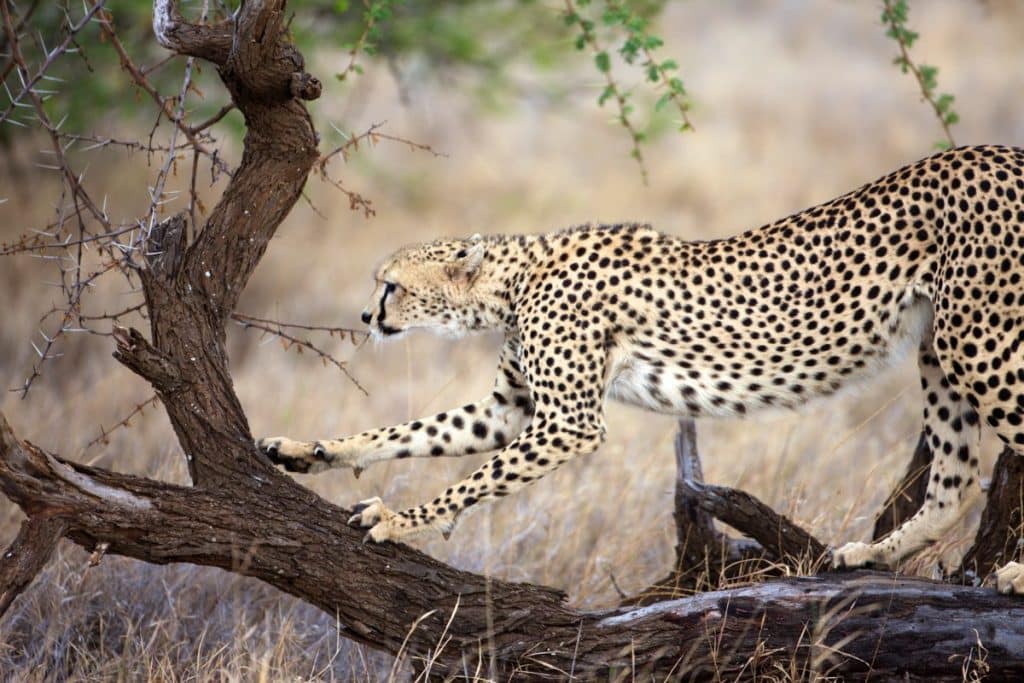
The cheetah is the fastest land mammal on Earth. They have distinctive black ‘tear lines’ which run from their eyes to their mouth and are covered in different-sized spots which can look like smudges on their coats.

 © Susannah Rouse
Key facts
Population:
Once found throughout most of Africa and much of Asia, the cheetah has suffered a dramatic decline in numbers and is now found in a fraction of its former range.
Diet:

Habitat:
Cheetahs are found across a wide range of habitats such as savannahs, grassland, wetlands, deserts and rocky areas.
Range:
Cheetahs are known to occur in only 9% of their historic range. Most strongholds are in Southern and Eastern Africa.
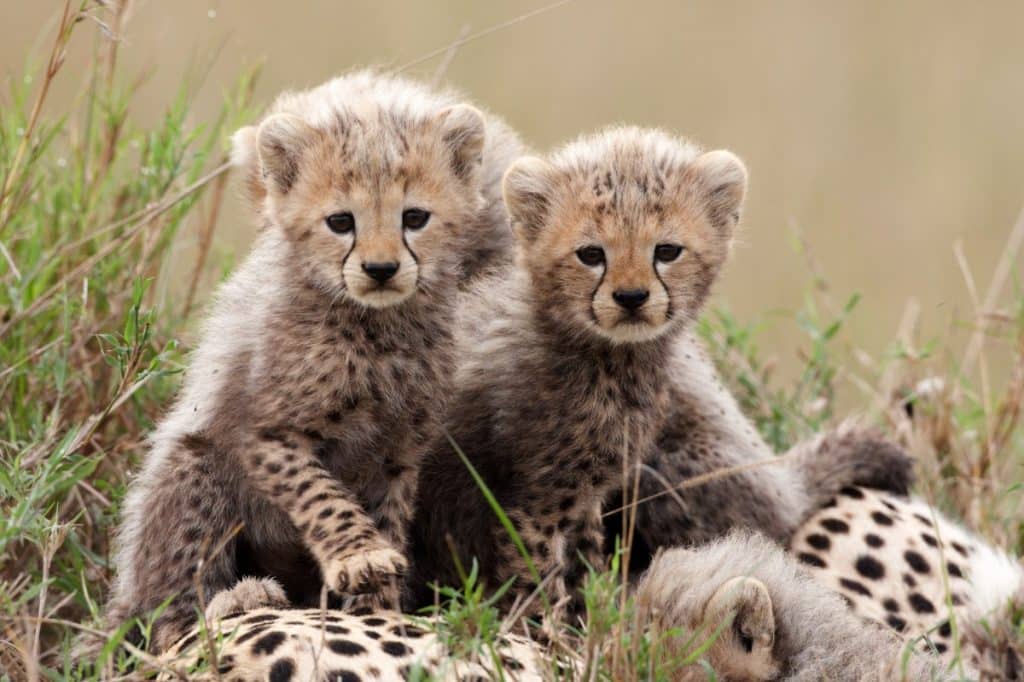
Cheetah cubs in the wild
© Robert Merrick
Threats


Cheetahs are particularly vulnerable to habitat loss and fragmentation, which is their main threat. They are sometimes caught in snares set for antelopes for bushmeat, and in some areas are hunted for their skin or the cubs are targeted for the illegal pet trade.
Conservation
Over 70% of cheetahs range is in unprotected areas and because of their wide range they require transboundary cooperation across large landscapes. Tusk supports several initiatives that monitor cheetahs and reduce human-wildlife conflict by working with farmers to protect their livestock from the risk of predation.
Learn more about the projects
Cheetahs are particularly vulnerable to habitat loss and fragmentation, which is their main threat. They are sometimes caught in snares set for antelopes for bushmeat, and in some areas are hunted for their skin or the cubs are targeted for the illegal pet trade.
Conservation
Over 70% of cheetahs range is in unprotected areas and because of their wide range they require transboundary cooperation across large landscapes. Tusk supports several initiatives that monitor cheetahs and reduce human-wildlife conflict by working with farmers to protect their livestock from the risk of predation.